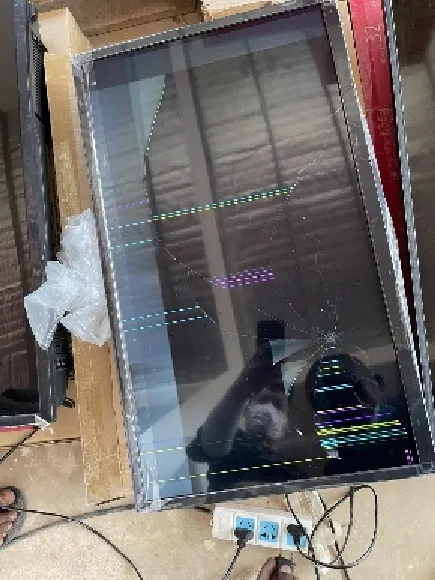
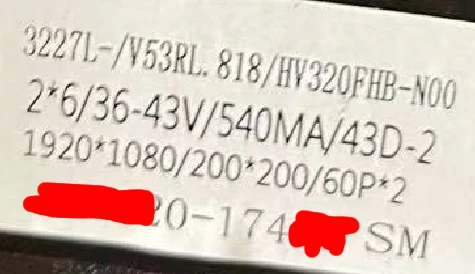
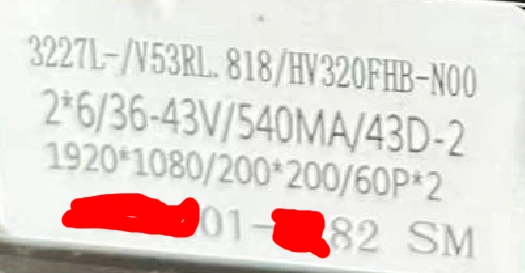
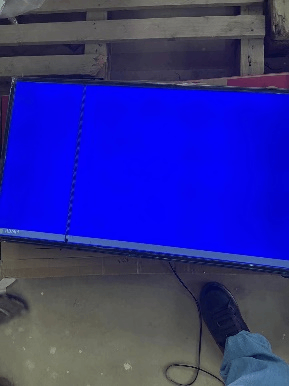
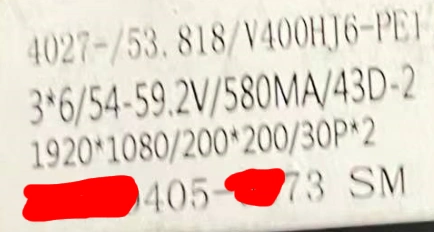
After the 139th Canton Fair, one conversation stood out. A buyer from Albania showed us a detailed RMA report, listing serial numbers, defects, and photos for each problematic unit. At first, the discussion was straightforward, we confirmed that we support RMA-based after-sales. But the real question came next.
Instead of asking for spare parts, the buyer proposed a different approach. Since the LCD panel can account for nearly 80% of the total TV cost, he suggested using a credit model, applying the value of defective units to the next order, so he could immediately replace products in his local market without waiting for repairs, and he could place the next order soon.
This is where most after-sales discussions become more than just technical support. RMA reports are not the solution, they are only the starting point. The real decision happens after that: should defects be handled through spare parts replacement, or through financial credit?
In practice, this choice affects not only repair efficiency, but also cash flow, customer satisfaction, and the long-term relationship between buyer and manufacturer. In this article, we will discuss these ideas deeply.
After RMA: Spare Parts or Credit?
Once defects are confirmed through RMA reports, the discussion shifts from identifying problems to deciding how to handle them. In most TV projects, there are only two practical directions: sending spare parts for repair, or offering credit for replacement in future orders.
Why Spare Parts Are Not Always the Best Solution
In most TV projects, spare parts are the standard after-sales approach. Before shipment, it is common to include a small percentage of free components, typically around 0.1% LCD panels and 0.3% mainboards, to cover potential defects. If additional issues are reported through RMA after arrival, extra parts can be sent, and in some cases, engineers may be arranged for on-site support.
However, this model does not always work as expected in real markets.
In some regions, buyers simply do not have technical teams capable of handling repairs such as panel replacement or mainboard troubleshooting. Even when spare parts are available, the actual repair process can be slow, inconsistent, or difficult to manage at scale.
Logistics can also become a limiting factor. Shipping replacement parts after defects are confirmed may take several months to reach the destination, especially in markets with longer transit times or complex import procedures. Arranging on-site engineers is not always practical either, as visa applications and travel coordination can significantly delay the process.
As a result, what looks like a straightforward technical solution on paper can turn into a slow and operationally heavy process in practice.
Why Some Buyers Prefer Credit Instead
In one case we discussed after the 139th Canton Fair, a buyer from Albania shared a different approach to handling defective units. Instead of relying only on spare parts replacement, he suggested a credit-based solution, where the value of faulty TVs could be directly applied to the next purchase order.
The reasoning behind this approach is not technical, but commercial.
In most LCD TV structures, the panel accounts for a significant portion of the total cost, often around 70% to 80%. From a buyer’s perspective, repairing and reprocessing individual units through spare parts can become inefficient, especially when dealing with multiple defects across different batches.
A credit system simplifies the entire process. Once defects are confirmed through RMA reports, there is no need to wait for replacement parts, arrange technical repair, or coordinate logistics. Instead, the value is directly converted into future order credit, allowing the buyer to immediately replace products in the local market.
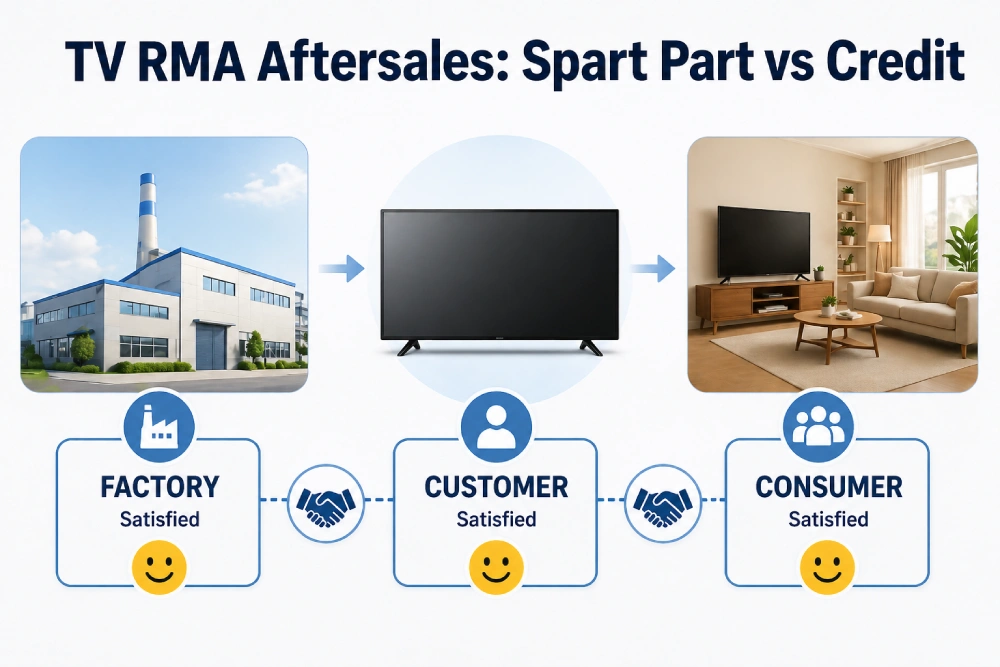
For end customers, this also means faster replacement with new units instead of waiting for repair cycles. For buyers, it reduces operational pressure in after-sales management. And for manufacturers, it helps maintain continuity in future orders instead of breaking the commercial flow into fragmented after-sales processes.
This is why, in certain markets, credit is not just an alternative option to spare parts, but a more practical decision based on speed, cost structure, and market expectations.
Final Thoughts
After-sales support in the TV industry is often discussed in technical terms, but in reality it is shaped more by business efficiency than by repair logic alone. RMA reports help identify problems, and spare parts provide one possible solution, but neither of them fully defines how value should be managed after shipment.
What we see more often in different markets is that buyers are not only looking for repair methods, but for a system that allows them to respond to defects quickly, maintain customer satisfaction, and keep their supply chain moving without interruption.
In this context, spare parts and credit are not competing answers to the same question. They represent two different ways of thinking about after-sales responsibility and commercial continuity. The right approach depends less on technical preference, and more on how fast a market needs to react when problems happen in real conditions.
Spare Parts vs. Credit: Comparing After-Sales Strategies
| Aspect |
Spare Parts |
Credit System |
| Core Idea |
Repair defective units by replacing components |
Convert defective units into value for next order |
| Speed |
Depends on logistics and repair capability |
Immediate resolution through order offset |
| Operational Effort |
Requires technical handling and coordination |
Minimal after confirmation via RMA |
| Market Requirement |
Suitable for markets with strong repair capability |
Suitable for fast-moving retail environments |
| Key Limitation |
Slow in logistics-heavy or low-tech regions |
Requires mutual trust and clear commercial agreement |