How to Start Your Own TV Brand with OEM Manufacturer in 2026
Step-by-step guide to launching your private label TV brand with a reliable OEM manufacturer. Learn costs, certifications, MOQ and market strategies.
Importing TVs from China has become a common business strategy for distributors, retailers, wholesalers, and private label brands looking for competitive pricing and flexible product solutions. China remains one of the world’s largest smart TV manufacturing hubs, offering a wide range of OEM and ODM television solutions for different markets and broadcasting standards.
However, successful TV import is not only about finding low prices. Importers also need to evaluate OEM TV factory capabilities, product quality, software stability, certifications, customs compliance, shipping methods, and long-term after-sales support. Factors such as import tariffs, local regulations, and the choice between CBU and SKD TV importing models can significantly affect total costs and market competitiveness.
This guide explains how to import TVs from China step by step, including how to choose reliable suppliers, evaluate smart TV specifications, understand certification requirements, manage international shipping, and reduce common sourcing risks for global TV distribution businesses.
The reason is straightforward: most of the global TV manufacturing supply chain is already concentrated in China. From LCD panels and TV mainboards to plastic cabinets, packaging, and smart TV software ecosystems, China has built one of the world’s most complete television production networks. This supply chain concentration allows TV manufacturers to offer highly competitive pricing, flexible OEM solutions, and faster production efficiency compared with many other regions.
One of the biggest advantages of importing TVs from China is the maturity of the local supply chain. In regions such as Guangzhou and Panyu, manufacturers can source almost every major TV component locally, significantly reducing procurement time and production cost.
For LCD panels, many mainstream panel models are already available through Chinese supply channels. Over the years, several global display production lines and upstream suppliers have gradually shifted manufacturing capacity into China, further strengthening the local display ecosystem.
TV mainboards are another important example. While some premium global brands develop their own proprietary chip solutions, a large percentage of the commercial TV mainboards used in the market are developed by Chinese technology companies. Public board solution providers such as CVTE, HiKeen, and Jin Ruixian support a wide range of smart TV systems, broadcast standards, and hardware configurations for OEM manufacturers.
TV cabinets also benefit from China’s highly developed manufacturing network. There are large numbers of specialized plastic injection factories dedicated to television cabinet production. In our own supplier network alone, we work with more than 10 cabinet-focused manufacturing partners for different TV sizes and designs.
These three core components — LCD panels, TV mainboards, and cabinets — often represent the majority of a television’s manufacturing value. Because the upstream and downstream supply chain is highly integrated inside China, TV manufacturers can optimize both production efficiency and overall pricing more effectively than many other countries.
China continues to maintain strong manufacturing cost advantages for the TV industry, especially when considering the entire supply chain rather than labor costs alone.
Some countries may offer lower average labor costs than China, including Vietnam and Ethiopia. In recent years, certain Chinese factory owners have also expanded assembly operations into overseas markets for regional tax policies or local manufacturing incentives.
However, when comparing total production capacity, supplier coordination, component availability, and manufacturing efficiency, China still remains one of the strongest locations for large-scale TV production. Most upstream component suppliers, packaging factories, software solution providers, and logistics resources are already deeply connected within China’s manufacturing ecosystem.
This concentration helps reduce communication costs, shorten production lead times, and improve flexibility for OEM TV projects, especially for importers requiring multiple product configurations or customized specifications.
China’s TV manufacturing ecosystem also provides strong flexibility for OEM and private label TV businesses.
Many supporting industries required for TV branding and customization are already highly specialized and easily accessible. For example, laser engraving factories can add custom brand logos directly onto TV cabinets, while packaging suppliers can produce customized cartons, manuals, stickers, and retail designs for different markets.
OEM TV manufacturers can usually support a wide range of private label requirements, including:
Because these supporting suppliers are located close to major TV manufacturing regions, OEM projects can often move faster and more efficiently compared with sourcing from multiple countries separately.
This flexibility is one reason why many distributors, retailers, and startup TV brands choose China as their long-term sourcing base.
Chinese TV mainboard manufacturers support a wide range of smart TV operating systems and hardware solutions for different markets and customer requirements.
Different smart TV systems are often selected based on regional software ecosystems, application compatibility, licensing requirements, and market positioning.
TV importing is not limited to one type of buyer. China’s television manufacturing ecosystem supports a wide range of business models, from large national distributors to startup private label brands. Different importers often choose different TV specifications, operating systems, and import methods depending on their market positioning and sales channels.
Many TV importers are national or regional distributors responsible for supplying televisions to local retailers, wholesalers, and electronics markets.
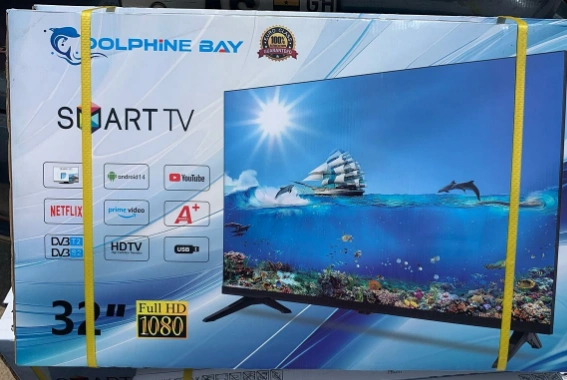
In several emerging markets, local TV brands work closely with Chinese OEM manufacturers to build competitive product lines under their own branding. For example, in Ghana, brands such as Dolphine Bay have developed strong local market recognition while relying on manufacturing and supply chain support from China.
For distributors, importing from China provides access to:
This allows distributors to compete with larger international brands while maintaining pricing flexibility for local markets.
Some importers are retail-focused companies selling televisions directly through electronics stores, supermarkets, or e-commerce platforms.
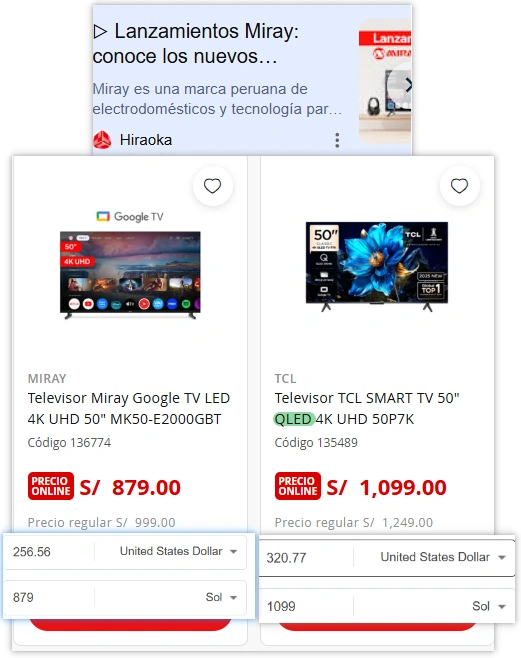
In South America, for example, certain retailers operate their own local TV brands while sourcing manufacturing from China. Miray, under the Hiraoka retail group in Peru, is one example of how retailers can combine local sales channels with Chinese OEM manufacturing resources.
Retail-focused importers often prioritize:
Because retail competition can be highly price-sensitive, China’s large-scale production capability helps retailers maintain better profit margins across multiple TV categories.
Cross-border e-commerce companies have also become an increasingly important group of TV importers from China.
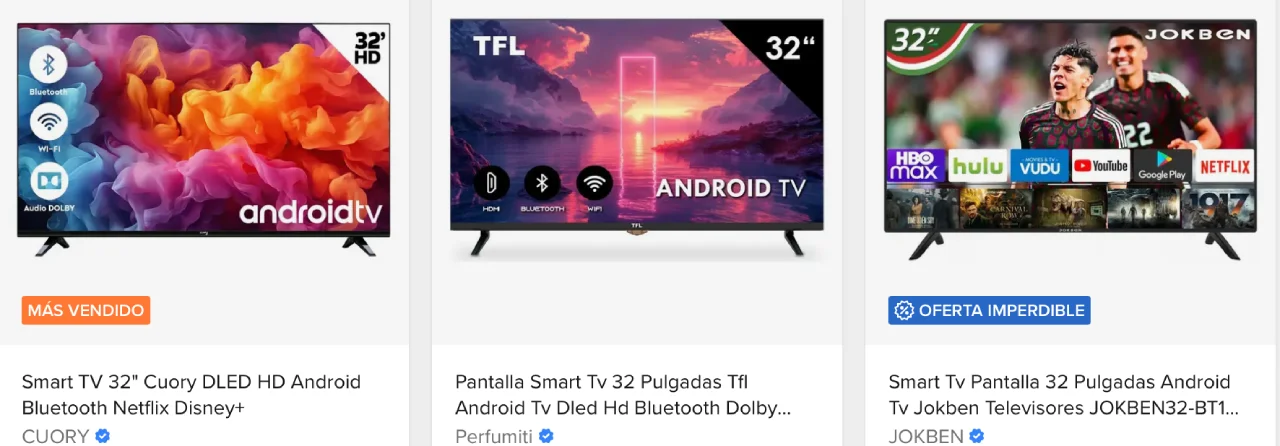
Unlike traditional TV distributors that rely heavily on physical retail channels, these businesses mainly sell televisions through online marketplaces and regional e-commerce platforms. In some markets, certain TV brands may only exist online and are rarely found in local electronics stores.
For example, in Mexico, some sellers operate through Mercado Libre, while in Southeast Asia, platforms such as Lazada have created strong demand for online-focused TV products. These televisions are often stored in overseas warehouses operated by the seller or the e-commerce platform itself, allowing faster local delivery after customers place orders online.
Many of these cross-border e-commerce companies are based in manufacturing and trading hubs such as Shenzhen and Yiwu, where they can quickly coordinate sourcing, branding, packaging, and export logistics.
China is also one of the most common sourcing destinations for startup private label TV brands.
Many entrepreneurs and regional electronics companies choose OEM TV manufacturing because it allows them to launch products under their own branding without building a television factory from the ground up.
Private label importers may customize:
For businesses interested in launching their own television brand, OEM manufacturing significantly lowers the investment barrier compared with developing a fully independent manufacturing operation.
You can also read our detailed guide:
Step-by-step guide to launching your private label TV brand with a reliable OEM manufacturer. Learn costs, certifications, MOQ and market strategies.
Choosing the right TV manufacturer is one of the most important decisions when importing televisions from China. Beyond pricing, importers should evaluate factory experience, production stability, quality control systems, OEM capability, and export experience for different regional markets.
A reliable supplier is not simply a company that can assemble televisions. Long-term manufacturing consistency, supply chain management, and market-specific customization capability often have a direct impact on product quality and after-sales performance.
When sourcing TVs from China, importers will encounter both direct manufacturers and trading companies.
Many suppliers on online B2B platforms operate as trading companies rather than actual TV factories. This does not automatically mean they are unreliable, as some trading companies provide professional export coordination and sourcing support. However, understanding the difference is important before starting long-term cooperation.
Direct TV manufacturers usually provide:
Trading companies may be suitable for buyers who need multi-category sourcing or simplified export coordination, but importers should clearly confirm whether the supplier owns production lines or outsources manufacturing to third-party factories.
Verifying factory experience is not only about checking business licenses or factory photos. Importers should evaluate whether the supplier has real experience producing televisions for export markets.
Some practical ways to verify a TV manufacturer include:
Experienced TV factories are usually familiar with different market requirements, including regional power standards, broadcasting systems, packaging methods, and certification compliance.
Importers should also pay attention to whether the supplier understands long-term after-sales support requirements rather than focusing only on initial shipment pricing.
How to handle defective TVs in bulk orders? Compare RMA, spare parts, and credit solutions based on real buyer cases.
Production capacity affects both delivery stability and order flexibility.
Larger TV factories may operate many production lines, but their lead times are not always shorter. In some cases, large factories prioritize high-volume orders from major brands, making smaller OEM projects more difficult to schedule.
Smaller and medium-sized TV manufacturers may offer:
For example, our own factory currently operates two TV production lines with typical lead times of around 25 to 30 days for standard OEM projects. In comparison, some larger factories may require 40 to 45 days depending on seasonal production schedules and order volume.
When evaluating OEM capability, importers should also confirm whether the factory supports, mostly these are included within EXW PRICE:
Check out the link below to see an example of how OEM/ODM TVs work.
TV quality control should not rely only on finished product sampling.
A reliable TV factory normally performs aging tests, power stability tests, display inspections, and assembly quality checks throughout the production process. Aging tests are especially important because they help identify unstable components before shipment.
For larger projects, importers may also consider:
Following production directly through inspection services allows buyers to verify quality control from both the front-end assembly process and final shipment stages.
This approach is commonly used by experienced distributors and commercial project buyers to reduce long-term after-sales risks.
Although televisions may appear similar globally, different markets often have completely different technical and environmental requirements.
Experienced TV manufacturers usually adjust hardware configurations, power systems, software, and packaging according to the destination market.
In some African markets, unstable voltage conditions and power fluctuations can create additional stress on TV power systems.
To improve long-term reliability, certain projects may use reinforced MOSFET components or enhanced power management designs on the TV mainboard. These adjustments help improve stability under challenging electrical conditions.
Different African countries may also require different digital broadcasting standards, certification requirements, and power cable specifications.
In some Middle Eastern coastal regions, humidity and salt air corrosion can affect electronic components over time.
For these environments, manufacturers may apply conformal coating protection on TV mainboards to improve resistance against moisture and environmental corrosion.
Market-specific customization like this is often an important indicator of whether a supplier has real export experience rather than only basic assembly capability.
When importing TVs from China, specifications should always match the target market positioning. In the television industry, product configuration is closely connected to pricing strategy, customer expectations, and local competition.
Entry-level markets usually prioritize affordability and basic functionality, while mid-range and premium markets focus more on display quality, smart TV ecosystem stability, and advanced hardware performance.
Choosing the wrong configuration can create major problems for importers. Over-specifying products may make pricing uncompetitive, while under-specifying products can lead to poor user experience and high after-sales costs.
Display quality is one of the most important factors affecting television value and customer satisfaction.
One major difference is screen resolution. Entry-level TVs commonly use 720p or 1080p panels, especially for smaller home-use screen sizes. These configurations are widely used in cost-sensitive markets where affordability is the main priority.
Mid-range and premium TVs usually focus on 4K or even 8K resolution, particularly for larger living room televisions where higher image clarity becomes more noticeable.
Another important factor is whether the panel is brand new or refurbished.
Some first-time importers may initially choose refurbished panels because of their lower purchasing cost. However, low-quality refurbished panels can create serious after-sales problems, including:
In some extreme cases, bad panel quality may lead to defect rates exceeding 10%, creating expensive and time-consuming after-sales support issues for distributors.
For long-term brand reputation, many experienced importers prefer stable new panel supply even when initial costs are slightly higher.
Memory configuration and chipset performance directly affect smart TV responsiveness and system stability.
In the OEM and ODM TV market, ultra-budget smart TV solutions often use configurations such as:
More standard entry-level smart TV projects commonly use:
For premium projects or more demanding software ecosystems, some models may use higher-performance configurations such as:
Non-smart TVs are usually cheaper because they do not require high-performance CPU or GPU platforms. Instead, they mainly use basic decoding chipsets designed for television channel playback without running a full smart operating system.
For certain commercial projects or price-sensitive regions, non-smart TVs may still remain a practical solution.
Different smart TV operating systems serve different market segments and pricing strategies.
In many OEM TV projects, operating system costs generally follow this structure:
AOSP < WhaleOS ≈ VIDAA < webOS ≈ Google TV
AOSP-based systems are widely used because they offer strong flexibility and lower licensing costs. They are especially common in entry-level and mid-range smart TV projects.
Licensed systems such as Google TV and webOS are more commonly used in premium markets.
Broadcast standard compatibility is another critical factor when importing televisions internationally.
Traditional analog TV systems are gradually being replaced by digital broadcasting standards, but different countries still use different digital signal systems. Shipping the wrong digital TV specification into the wrong market may prevent users from receiving local television channels correctly.
Common digital TV standards include:
In general, digital broadcast solution costs often follow this pattern:
ATSC > ISDB-T > DVB-T2/S2 > DVB-T2
Importers should always confirm local broadcasting standards before mass production, especially when exporting to regions with strict compliance requirements.
Experienced TV importers often pay attention to small market-specific details that new buyers may overlook.
For example, in parts of Latin America and the Caribbean region, some customers prefer televisions that include two remote controls instead of one. This requirement is not always obvious from standard product specifications but may improve customer acceptance in local markets.
In certain European markets, TV mainboards may also require Dolby audio support chips. Without proper Dolby compatibility, some local television channels may display video normally but produce no audio output during broadcast playback.
These small regional differences can have a major impact on customer satisfaction and after-sales performance, especially for long-term distributors and private label TV brands.
TV certifications and compliance requirements are extremely important when importing televisions internationally. In many countries, televisions cannot be legally imported, cleared through customs, or sold in retail channels without the correct certification approvals.
Different regions use different regulatory systems covering:
Importers should always confirm certification requirements before mass production, because some approvals may affect hardware design, packaging labels, manuals, or software configurations.
Some common TV certifications include:
CBU stands for Completely Built Unit.
In the television industry, CBU means the TV is fully assembled inside the factory before shipment. The buyer receives a complete finished television that is ready for retail sale or direct consumer use immediately after import.
Under the CBU model:
CBU importing is the simplest model for distributors and retailers because it does not require local assembly operations or technical production teams.
However, some countries apply higher import duties to fully assembled televisions in order to encourage local manufacturing and industrial development.
SKD stands for Semi Knocked Down.
In the TV industry, SKD refers to partially assembled television products shipped to the buyer for final assembly in the destination country.
There are several common SKD approaches used by TV manufacturers.
One common method is:
Another common SKD method is:
SKD models are often used to reduce import duties or meet local assembly regulations. Compared with full CBU importing, SKD projects may also create local employment opportunities in some countries.
Because some assembly work is completed locally, importers usually require:
CKD stands for Completely Knocked Down.
In CKD projects, televisions are shipped as fully disassembled components and assembled completely inside the destination country.
In the TV industry, CKD can have two different meanings depending on the manufacturing capability of the importer.
The first and more common CKD model means:
This approach usually requires a complete local TV assembly line including:
The second and more advanced CKD model involves local PCB manufacturing capability.
In this model:
This type of CKD project requires much higher technical capability and investment, including SMT machines and electronic manufacturing expertise.
For most markets, CBU importing remains the default and simplest business model.
However, when countries impose high tariffs on fully assembled televisions, importers may shift toward SKD or CKD manufacturing models to reduce import taxes and support local assembly requirements.
SKD projects are commonly used in markets where importers want:
CKD projects are generally considered a more advanced version of SKD because they often involve deeper local manufacturing capability, including PCB assembly and SMT production operations.
| Model | Meaning | Assembly Level | Local Factory Requirement | Investment Level | Typical Use Case |
|---|---|---|---|---|---|
| CBU | Completely Built Unit | Fully assembled before shipment | No local assembly required | Low | Retail distributors and importers |
| SKD | Semi Knocked Down | Partially assembled | Basic assembly capability required | Medium | Markets with higher CBU tariffs |
| CKD | Completely Knocked Down | Fully disassembled components | Complete assembly line or SMT capability | High | Large-scale local manufacturing projects |
Televisions are fragile electronic products, which means packaging and shipping methods are extremely important during international transportation. Even if the TV itself is manufactured correctly, poor packaging protection or improper container loading can still result in damaged screens, broken panels, or expensive after-sales problems after arrival.
For large export orders, TV manufacturers must carefully balance:
This is why experienced TV factories pay close attention not only to production quality, but also to packaging structure and logistics planning.
Container loading efficiency is heavily influenced by two major factors:
The industrial mold determines the basic TV dimensions, while the foam protection design determines the final carton size used for shipping.
In TV exporting, final container quantity is always a balance between maximizing loading capacity and maintaining safe transportation protection.
For example, some ultra-thin TVs use very small optical distance (OD) structures to achieve slimmer industrial designs. While these TVs may look more attractive visually, they also require higher assembly precision and more careful maintenance procedures.
A smaller OD structure means the optical films inside the panel must remain perfectly flat and wrinkle-free to maintain proper brightness uniformity and display performance.
At the same time, if packaging foam becomes too thin in order to increase container loading quantity, the risk of screen damage during transportation increases significantly. Buyers may discover a large number of damaged TVs after arrival inspection, leading to costly after-sales claims and long dispute processes.
Because of this, experienced TV manufacturers usually optimize packaging based on both protection performance and shipping efficiency rather than simply pursuing maximum loading quantity.
Currently, many 32-inch TV projects can achieve approximately 2,700 units per 40HQ container under optimized loading conditions.
International TV shipping often involves complex transportation environments, including humidity, snow regions, long-distance sea freight, and multiple warehouse transfers.
For shipments passing through cold or snowy regions, waterproof protection bags are commonly used to reduce moisture risk during transportation and storage.
Sample shipments may require even stronger protection because they are often consolidated together with other cargo inside mixed containers. In these situations, wooden frame reinforcement is commonly added to improve impact resistance and reduce the risk of panel damage during international transit.
Importing TVs from China can provide strong pricing advantages and flexible OEM opportunities, but it also comes with operational risks that importers should manage carefully.
In many cases, problems are not immediately visible during factory inspection. Some issues may only appear after shipment arrives at the destination market or after consumers begin long-term usage.
Experienced TV importers usually reduce risk by combining:
Software instability is one of the most common problems in low-cost smart TV projects.
Typical issues may include:
In many cases, unstable software performance is caused by insufficient memory configuration or incompatibility between software optimization and chipset platforms.
For example, ultra-budget smart TV solutions with very limited RAM and storage may struggle to run heavier streaming applications smoothly.
A practical solution is to request working samples before mass production. Importers may also ask the factory to record operation videos showing:
If software instability is related to chipset compatibility or firmware bugs, the TV factory usually needs to coordinate directly with the mainboard supplier to confirm and resolve the software issue before shipment.
Display panel quality is one of the highest-risk areas in TV importing.
Some televisions may pass factory testing inside China but later develop panel failures after shipment or consumer usage. Common problems include:
One major risk factor is the use of low-grade or refurbished panels.
Because refurbished panels are cheaper, some inexperienced buyers may initially focus only on lower purchasing prices without fully understanding the long-term after-sales impact.
A safer approach is to:
For large projects, many importers also hire inspection companies to verify that the factory is using new panels rather than refurbished display components.
After-sales support problems can become extremely expensive for TV distributors if responsibilities are unclear after shipment.
In some cases, suppliers may attempt to avoid responsibility by blaming transportation, local handling, or end-user usage conditions.
To reduce long-term disputes, importers should establish clear after-sales communication procedures before mass production begins.
One practical solution is for the factory to send engineers or technical representatives to assist with on-site inspection and troubleshooting for major projects when necessary. Here is an example of RMA report:
| Serial | Defect Photo | Barcode Photo | Issue Description |
|---|---|---|---|
| 40 | 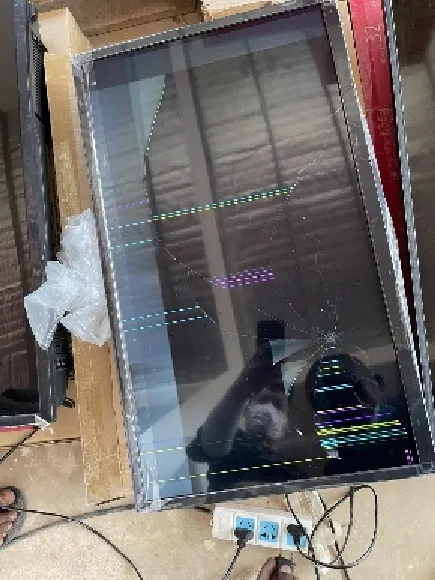 | 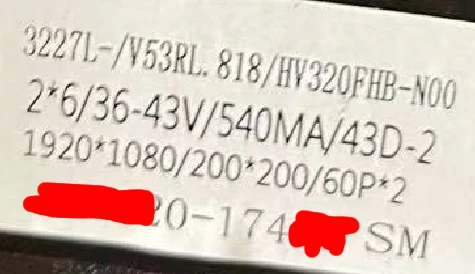 | Broken Screen |
| 67 | 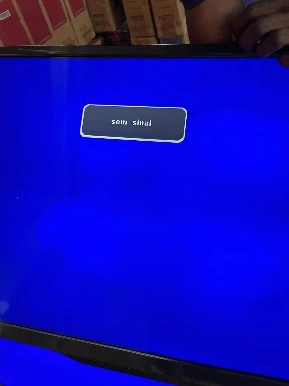 | 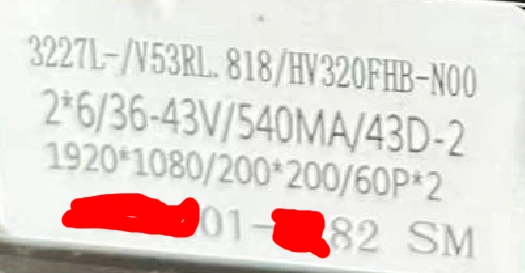 | MURA |
| 103 | 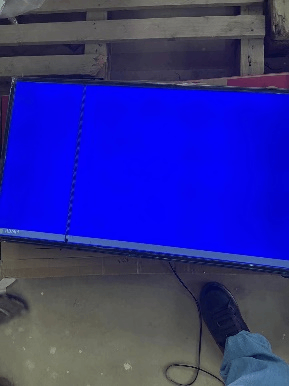 | 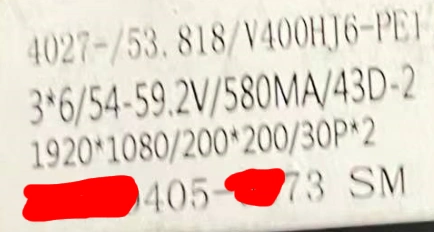 | Vertical Line |
Importing TVs from China is not simply about finding the lowest factory price. Successful TV importing usually depends on choosing the right market positioning, selecting reliable suppliers, confirming technical specifications carefully, and managing quality control throughout production and shipping.
The first step is defining your target market and product positioning. Different countries and customer groups require different TV configurations, operating systems, and pricing strategies. Entry-level markets may focus more on affordability, while premium markets usually expect stronger software ecosystems, higher display quality, and better hardware performance.
The second step is selecting the right TV supplier. Importers should evaluate whether the supplier is a real manufacturer or a trading company, while also checking production capability, export experience, quality control procedures, and OEM support flexibility. A supplier that fits one market may not necessarily fit another.
The third step is confirming TV specifications and certification requirements before production begins. This includes display panel selection, smart TV operating systems, memory configuration, digital broadcast standards, power specifications, and required certifications for the destination country. Incorrect specifications can create expensive customs problems or after-sales issues later.
The fourth step is testing samples before placing bulk orders. Sample testing allows importers to evaluate software stability, display quality, packaging protection, and overall product performance before mass production starts. Some buyers also request operation videos or arrange third-party testing during this stage.
The fifth step is arranging production monitoring and quality inspection. Experienced importers often track production progress closely and may hire inspection companies to verify assembly quality, panel condition, packaging standards, and loading procedures during mass production.
The final step is managing shipping and customs clearance properly. Because televisions are fragile electronic products, packaging protection, container loading, shipping conditions, and import documentation all play an important role in reducing transportation risks and ensuring successful delivery to the destination market.
For long-term TV importing businesses, stable supply chain management and reliable after-sales cooperation are often more important than achieving the absolute lowest initial purchasing price.
Importing TVs from China can still be profitable for distributors, retailers, and private label brands, especially in markets where price competitiveness is important. China’s mature TV supply chain helps reduce manufacturing costs while offering flexible product configurations for different market segments. Profitability usually depends on product positioning, shipping costs, import duties, after-sales management, and local competition rather than factory pricing alone.
Importers can verify a real TV factory by checking production videos, OEM projects, aging test procedures, export certifications, and previous shipment experience. Visiting the factory in person is one of the most effective methods when possible. Buyers may also use third-party inspection companies to confirm whether the supplier owns actual production lines or operates mainly as a trading company.
MOQ requirements vary depending on screen size, operating system, packaging customization, and OEM requirements. Some smaller factories may offer more flexible MOQ options for startup brands or trial orders, while larger factories often prioritize higher-volume projects. Standard OEM TV orders commonly start from one container, but some projects may support smaller sample-based cooperation first.
Certification requirements depend on the destination country. Common certifications include CE for Europe, SASO for Saudi Arabia, KC for South Korea, SAA for Australia, PSE for Japan, and NOM for Mexico. Without the correct certifications, televisions may face customs delays or sales restrictions in local markets.
CBU TVs are fully assembled and ready for sale immediately after import, making them suitable for most distributors and retailers. SKD TVs require partial local assembly and are commonly used in countries with higher import duties on fully assembled televisions. The better choice depends on local tariff policy, labor costs, technical capability, and government manufacturing incentives.


Need to import TVs from us?